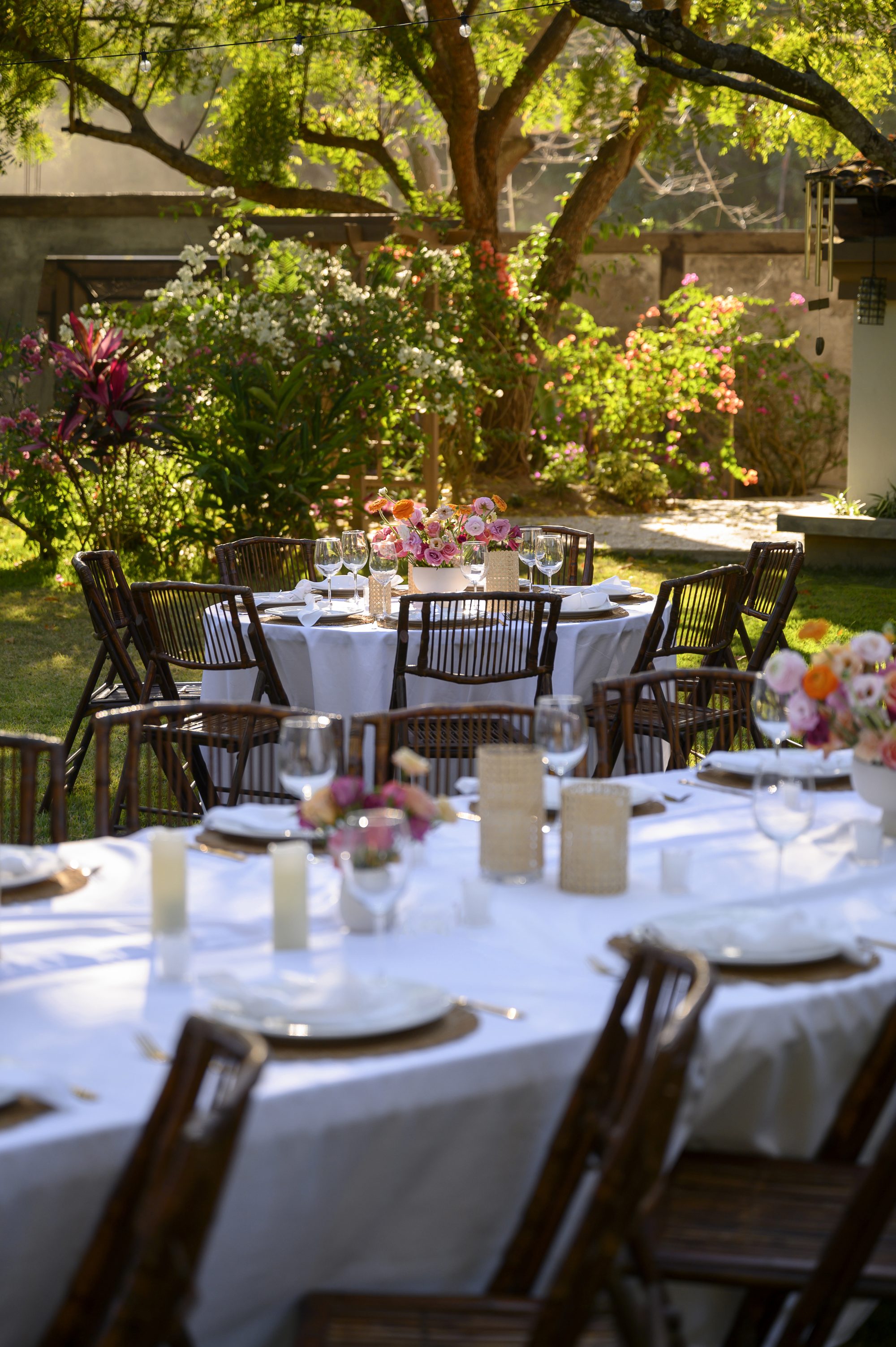
A destination wedding should not feel like one beautiful evening wedged between airport transfers and an overstuffed itinerary. To coordinate multi-day wedding events well, begin with a different premise: you are hosting people you love in one place for a shared chapter of time. The ceremony matters deeply, but so do the slow breakfasts, the bare feet after dinner, the spontaneous conversations, and the final morning when no one is quite ready to leave.
For couples gathering friends and family in Mexico, the most memorable weekends are not the ones with the most scheduled moments. They are the ones with a clear rhythm, a setting that feels entirely theirs, and enough room for everyone to settle in.
Start with the feeling, not the schedule
Before selecting welcome dinners or designing a ceremony layout, decide how you want the weekend to feel. Intimate and restorative? Joyful and late-night? Family-centered, with space for several generations? Your answer should shape every practical choice that follows.
A multi-day wedding has its own emotional arc. Guests arrive carrying the pace of their ordinary lives. The first gathering should help them land, not ask them to perform. A relaxed welcome dinner, shared cocktails beneath the palms, or a casual evening with regional food gives people time to find one another before the formal celebration begins.
The wedding day can then hold its rightful weight. The day after should soften the experience again, making room for lingering stories and genuine recovery. When every day has a purpose, the celebration feels composed rather than overprogrammed.
Coordinate multi-day wedding events around rhythm
The strongest wedding weekends usually need only three anchors: a warm arrival, the wedding celebration, and a gentle farewell. Everything else should earn its place by helping guests connect, rest, or experience the destination in a meaningful way.
Give each day one clear role
On the arrival day, keep the main event easy to join. Flight times will vary, bags will be misplaced, and some guests will need a quiet hour before being social. Plan a welcome gathering with a broad arrival window, generous food, and no complicated dress expectations.
Let the wedding day remain focused. Avoid placing a demanding group excursion, a lengthy rehearsal, and a late-night welcome event immediately before it. People need time to get ready, be present, and absorb the significance of the occasion. A calm morning can be just as valuable as an additional activity.
For the final day, consider an unhurried brunch, poolside lunch, recovery-focused wellness session, or informal gathering that does not require punctuality. It gives guests a way to say goodbye without forcing the weekend to end abruptly.
Protect open time
A shared itinerary does not mean every hour must be shared. In fact, an empty afternoon may be the part guests remember most. Some will want a massage or a swim. Others will want to read in the shade, catch up with cousins, or head into town for a coffee and a market stroll.
Leave at least one generous block of unscheduled time each day. This is especially important for destination groups that include both energetic friends and older relatives. A thoughtful weekend accommodates different rhythms without making anyone feel they are missing the main event.
Choose one private home base
The venue determines whether the weekend feels like a gathering or a series of logistics. When guests sleep in one hotel, dine at a separate restaurant, and travel elsewhere for the ceremony, the host spends too much time managing departures, arrivals, and transportation details.
A private estate changes that equation. Your closest people can wake up on the same grounds where they will share dinner under the stars and witness your vows. The space becomes part of the memory: a place where the wedding party has coffee together before hair and makeup, where children can move freely, and where grandparents can sit comfortably near the celebration rather than being tucked away in a distant room.
At Rancho Poco a Poco, a full-property buyout brings three residences, 10 bedrooms, and accommodations for 25+ overnight guests together on one private acre in the Sayulita valley. The estate can welcome celebrations of more than 250 people while preserving a feeling that is personal rather than public. For a multi-day event, that distinction matters. Your group is not one booking among many. The grounds, shared spaces, and dedicated staff are yours.
Privacy also gives you more freedom in the flow of the weekend. There is no hotel lobby crowd passing through a welcome toast, no competing event audible over your dinner, and no need to rush a meaningful moment because another group is scheduled next.
Make key design decisions early
Once you know the guest count and the shape of the weekend, make the decisions that affect every vendor first: ceremony location, dinner format, weather backup, lighting approach, and transportation plan. These choices influence everything from floral design to the number of tables you will need.
For a destination wedding in a lush, open-air setting, work with the natural surroundings rather than competing with them. The most refined design often has a sense of restraint: warm candlelight, beautifully layered tables, local textures, seasonal florals, and music that fits the mood of each gathering.
It also helps to distinguish between overnight guests and event guests from the beginning. Your inner circle may stay on property, while a wider community joins for the ceremony and reception. Both groups should feel considered, but their needs are different. Overnight guests need comfortable rooms, morning coffee, and quiet places to recharge. Event guests need clear arrival information, transportation guidance, and an easy sense of where to go once they arrive.
Build a plan that lets you be present
The most luxurious decision a couple can make is not visual. It is deciding that someone else will hold the operational details on the wedding day.
Create one concise run of show that covers the entire weekend, not just the ceremony. It should include vendor arrival windows, transportation timing, meal service, toasts, music transitions, family photo timing, and a clear weather response. Share it with your planner, venue team, key vendors, and two trusted members of the wedding party.
Just as important, assign decision-making authority before the weekend begins. If a storm shifts the ceremony timing, who approves the change? If a family member needs a ride, who handles it? If a centerpiece is missing, who makes the call? The answer should not be the couple.
A small welcome note or printed weekend card can handle guest-facing details with grace. Include the schedule, attire cues, transportation instructions, a contact person for questions, and a reminder that there is no expectation to attend every optional activity. Guests appreciate clarity, especially when they are navigating a new destination.
Let the destination deepen the celebration
Mexico offers more than a setting for the ceremony. It can become part of the way your guests remember the weekend. The right additions feel rooted in place and aligned with your group, whether that means a temazcal ceremony, morning yoga in an open-air studio, an ice bath session for the adventurous, a local cooking experience, or time to explore Sayulita's dining and markets.
The trade-off is simple: every experience adds coordination. Choose one or two that reflect you rather than trying to offer every possible activity. A wellness-minded group may treasure a quiet reset after the wedding. A group of longtime friends may prefer an easy afternoon by the saltwater pool before the farewell dinner. Let your people guide the plan.
Ask these questions before you commit
A venue may look beautiful in photographs yet still make a multi-day wedding difficult to host. Ask whether you have exclusive use of the property, how many guests can stay overnight, what happens if weather changes plans, and whether the spaces work for both intimate meals and a larger celebration.
Also ask what the minimum stay requires. A three- or four-night buyout is not simply an added expense. For the right group, it is what creates the unhurried pace that makes a destination wedding feel worthwhile. You gain time to welcome people properly, celebrate without rushing, and wake up together after the music ends.
The best multi-day wedding is not a packed production. It is a temporary world made for your people: private, generous, beautiful, and spacious enough for the moments no timeline can predict.