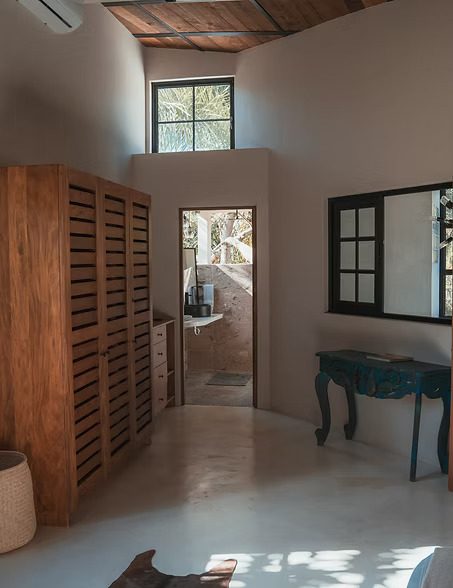
A private estate gives you something a conventional venue rarely can: the freedom to let a celebration unfold at its own pace. Event design for private estates is not simply about choosing flowers, table settings, or a color palette. It is about shaping an entire shared world - one where guests wake up together, gather beneath the palms, linger over dinner under the stars, and feel that every space belongs to the occasion.
That possibility is also what makes estate events more considered. A one-acre property with multiple residences, outdoor gathering areas, and overnight accommodations needs a design approach that honors both the beauty of the setting and the comfort of the people within it. The best events do not attempt to transform an estate into a ballroom. They let the estate lead.
Start With How You Want Guests to Feel
Before selecting a single rental or deciding where the ceremony will take place, name the emotional center of the gathering. Perhaps it is a wedding weekend that feels relaxed rather than rushed. Perhaps it is a retreat designed to help a group reset its rhythm. Maybe it is a milestone birthday where three generations can reconnect without being divided among hotel floors and shuttle schedules.
That feeling should guide every decision. If the intention is ease, avoid an over-programmed itinerary. If the intention is intimacy, create smaller moments within the larger celebration: a welcome cocktail in one courtyard, a slow morning breakfast, an afternoon massage, a late-night lounge where conversation can continue after music fades.
Luxury is often less about adding more and more about removing friction. When one group has sole access to an estate, there is no need to compete with another wedding, navigate public common areas, or coordinate around a resort's schedule. The setting becomes private, personal, and entirely yours.
Event Design for Private Estates Begins With Flow
A beautiful estate can hold many moments, but not every moment should happen in the same place. Good flow creates anticipation while keeping guests oriented. It gives each chapter of the weekend its own atmosphere.
For a destination wedding, that might mean a welcome dinner in a tucked-away gathering space, vows beneath the palms the following day, and dinner set along a long table illuminated by candles and soft overhead light. The celebration can then move naturally to a separate area for dancing, allowing the dinner setting to remain calm and considered.
For wellness retreats, the rhythm is quieter but just as intentional. Mornings may begin in an open-air yoga studio, followed by breakfast and unhurried time by the pool. A temazcal ceremony or guided ice bath can become the anchor of an afternoon, while a family-style dinner creates room to reflect on the day. Guests should never feel like they are being processed from one activity to the next.
Let transitions do some of the work
The spaces between main events matter. A shaded path, a change in music, a welcome drink waiting at the next gathering point, or a pause before dinner can signal that the experience is evolving. These transitions are where an estate feels cinematic without becoming staged.
Practical planning supports this feeling. Consider guest mobility, evening lighting, restrooms, access for vendors, weather contingencies, and the distance between ceremony, dining, and dancing. The goal is not to make guests notice logistics. It is to make the celebration feel effortless.
Design for the Overnight Experience, Not Just the Main Event
At a private estate, the event begins long before the ceremony or dinner and continues long after it. That changes the design brief.
Instead of concentrating every detail into a five-hour reception, think about the full multi-night stay. A thoughtfully stocked arrival moment can set the tone. Welcome notes, local treats, chilled drinks, and a clear sense of where guests can gather help people settle in quickly. The first evening does not need to be elaborate. It only needs to make everyone feel included.
For groups staying together, bedroom assignments also deserve care. Couples may appreciate quieter rooms, while close friends may prefer to be near one another. Hosts, parents, retreat leaders, or anyone with early responsibilities may need a bit more separation. At Rancho Poco a Poco, three distinct residences - The Hacienda, The Villa, and The Casona - give groups room to be together without being on top of one another, with 10 bedrooms accommodating 25 or more overnight guests.
That balance is essential. A shared estate should encourage connection, but it should also offer places to step away, read, rest, or simply take in the greenery. Privacy within togetherness is one of the strongest reasons to choose an estate over a standard venue.
Choose Details That Belong to the Setting
Private-estate design is strongest when it feels rooted rather than imported. This does not mean every event needs to be rustic or minimal. It means the materials, colors, florals, lighting, and furnishings should feel at home in the architecture and landscape.
Look first at what already exists. Textured walls, mature palms, natural stone, open-air rooms, and the warmth of candlelight can provide more atmosphere than a large amount of additional decor. A long dining table may need only layered linens, seasonal flowers, beautiful glassware, and generous candlelight to feel extraordinary.
Scale matters here. Oversized installations can be breathtaking, but they may also block sightlines, overwhelm a ceremony setting, or distract from the grounds. Conversely, design that is too sparse can disappear in a large outdoor space. The right answer depends on the guest count, the time of day, and how much natural texture the setting already provides.
For an event with more than 150 guests, visual anchors become especially useful: a ceremony focal point, intentional lighting overhead, a clearly defined bar, and a dining layout that feels generous rather than crowded. For an intimate gathering of 25 or 40, the most memorable choice may be restraint - one exquisite table, meaningful place cards, and enough time for conversation.
Build the Weekend Around Shared Rituals
The events guests remember most are often not the ones printed in the formal itinerary. They are the rituals that invite everyone into the same moment.
A wedding party gathering for coffee before the day begins. A group entering a temazcal together. A toast at sunset. An early swim before breakfast. A long meal where no one is checking the clock. These experiences create a feeling that cannot be replicated by a standard event package.
For destination groups, local culture and place can deepen that feeling when approached with care. Curated adventures, local food, wellness practitioners, music, and traditions should be chosen because they genuinely suit the group, not because they fill a schedule. A retreat facilitator may want spaciousness and restoration. A family reunion may want a guided outing that brings every age together. A wedding group may value a relaxed day that leaves enough energy for the celebration ahead.
The most compelling design is not about controlling every minute. It is about creating a framework where meaningful moments have room to happen.
Give Your Vendors a Clear Point of View
An estate event involves more moving pieces than a single-purpose venue. Catering, rentals, florals, sound, transportation, photography, and wellness programming all need to work within the property's rhythms. Share a simple creative direction early: the feeling you want, the guest experience you are protecting, the spaces that matter most, and what you do not want.
It is also wise to identify one person who can make decisions on the day. This may be a planner, a trusted coordinator, or a member of the hosting team who understands the vision. Couples and hosts should be free to be present. No one wants to be answering questions about candle placement while guests are arriving.
A private estate can host an intimate overnight group and a larger celebration of more than 250 people, but capacity is not the only consideration. The better question is how you want the gathering to feel at its fullest. Spacious, lively, meditative, formal, barefoot-elegant - each choice affects layout, staffing, sound, lighting, and timing.
Make Room for What Cannot Be Planned
The most beautiful part of an estate gathering is often the unscripted part: cousins talking long after dinner, friends gathered around the pool, a quiet walk before vows, laughter carrying through an open window. Design every meaningful moment with care, then leave enough space for the weekend to become its own memory.