The difference between a group trip that feels effortless and one that feels overplanned usually comes down to one thing: giving people a shared experience without asking them to share every moment. Knowing how to structure group stays begins well before guests arrive. It means choosing a setting with room to gather, places to retreat, and a natural rhythm that lets every person feel included.
For a wedding weekend, a wellness retreat, or a long-overdue family reunion, the goal is not to fill every hour. It is to create the conditions for the moments people remember: coffee beneath the palms before the house wakes, a long dinner under the stars, a quiet conversation after everyone else has gone to bed.
Begin With the Group You Actually Have
Start with the personalities and needs in the room, not just the final headcount. A group of 20 close friends traveling for a milestone birthday needs a different shape than 20 relatives spanning three generations. A retreat may need quiet bedrooms, a dedicated practice space, and private corners for reflection. A wedding group needs room for getting ready, gathering, celebrating, and recovering the next day.
Ask a few practical questions early: Who needs the most privacy? Who is likely to rise first or stay up late? Are there couples, families, solo travelers, or hosts who need their own space? Will the group spend most of its time together, or will guests want freedom to choose their own pace?
These answers help you avoid a common mistake: treating every bedroom and every hour as interchangeable. Thoughtful structure does not mean rigid scheduling. It means making the right choices in advance so no one has to negotiate the basics once they arrive.
Choose a Full Buyout When Privacy Is the Point
For significant gatherings, splitting guests between hotel rooms, separate rentals, and off-site event spaces can quietly fragment the experience. People arrive late, miss morning plans, leave early, and spend more time coordinating rides than being present.
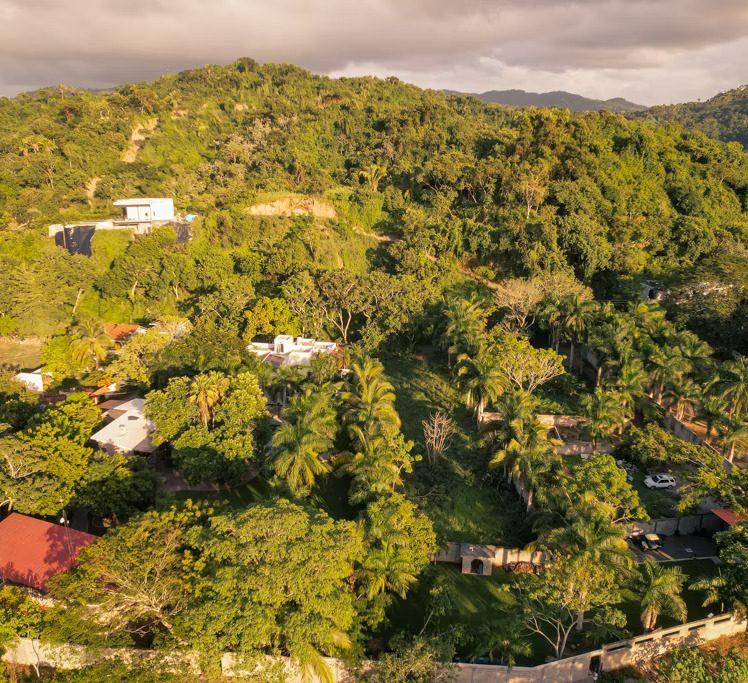
A private estate buyout keeps the group in one shared world. At Rancho Poco a Poco, one group has sole access to a one-acre jungle property with 10 bedrooms across three distinct residences, accommodations for 25+ overnight guests, and shared spaces designed for both intimate connection and larger celebrations. The grounds remain yours throughout the stay - not a resort schedule, not a public pool scene, but a sanctuary shaped around your people.
That privacy matters most when the gathering carries emotional weight. It gives a couple space to settle into their wedding weekend, a facilitator room to hold a retreat with intention, and a family the freedom to simply be together.
How to Structure Group Stays Around a Shared Rhythm
The most successful group itineraries usually have anchors rather than packed agendas. A few moments are held in common, while the hours around them remain open. This makes the stay feel generous instead of managed.
A simple rhythm often works best: an unhurried shared breakfast, one planned experience in the late morning or afternoon, time to rest or explore, then dinner together. For some groups, the central moment may be a temazcal ceremony, a guided practice in an open-air yoga studio, or an evening meal prepared and served at the estate. For others, it may be a welcome gathering on the first night and nothing more formal until the main celebration.
The trade-off is worth naming. A fuller schedule can create momentum for a short stay and help guests connect quickly, especially when they do not all know one another. But too much programming can turn a restorative trip into a calendar. If the group has three or four nights together, leave room for the place itself to do some of the work.
Morning is especially valuable. Rather than scheduling a formal activity every day, let guests choose their own reset: a swim in the saltwater training pool, a massage, a slow walk through the grounds, or coffee with someone they rarely get to see. Those unscripted hours often become the emotional center of the stay.
Give Each Residence a Purpose
When a property includes multiple residences, use that distinction thoughtfully. Separate buildings can offer more than additional bedrooms. They create natural zones for rest, preparation, and gathering.
Consider placing immediate family, retreat leaders, or the hosts in the residence that offers the most privacy and ease of access. Give friend groups or families traveling together nearby rooms where they can settle in comfortably. If a wedding is part of the stay, think through where each partner and their closest people will prepare on the day. The best plan reduces crossings, crowding, and last-minute decisions.
The Hacienda, The Villa, and The Casona each offer a different sense of scale and atmosphere. Assigning them with intention helps guests feel cared for without making the arrangement feel overly formal. It also gives everyone a place to step away when the energy of the group becomes full.
This is particularly useful for multigenerational stays. Grandparents may appreciate a quieter residence, while younger guests may naturally gravitate toward late-night conversation elsewhere. Everyone remains close, but no one has to live on top of everyone else.
Plan Gathering Spaces by Energy, Not Just Capacity
A group needs more than one place to be together. It needs spaces for different moods.
The main gathering area can hold the visible moments: welcome drinks, long-table meals, speeches, music, and celebration. A yoga studio may become a setting for movement, meditation, or a private ceremony. Poolside areas invite casual daytime connection, while quieter corners allow two people to catch up without leaving the grounds.
Think through how the day moves from one energy to another. A lively lunch followed by open time feels different from an all-day event with nowhere to decompress. An evening celebration lands better when guests have had a few unstructured hours to rest, change, or enjoy the property at their own pace.
For larger events, capacity is only one measure. An estate may welcome more than 250 people for a celebration while hosting a much smaller overnight group. That distinction can be a major advantage: your closest people stay together on the grounds, while the wider circle joins for the ceremony or dinner without changing the intimacy of the full weekend.
Build in Space for the Hosts
The hosts are often the first people to disappear into logistics. Couples answer questions between photographs. Retreat leaders manage arrivals instead of preparing for their sessions. The person planning a reunion spends the trip checking whether everyone has what they need.
Protect their time from the start. Decide who will welcome guests, communicate the schedule, coordinate transportation, and handle questions about meals or activities. If you are leading a retreat, identify one person who can manage practical details while you focus on your guests. If you are hosting a wedding, reserve a private hour before the celebration begins with no decisions left to make.
A dedicated estate team can make an enormous difference here, but clarity still matters. Share the important information before arrival, then keep the on-site plan simple. Guests should know when they are expected, where they need to be, and whom to ask. They do not need a binder full of instructions.
Let the Setting Shape the Experience
Sayulita offers color, culture, dining, and adventure close by, but the value of a jungle estate is the ability to return to stillness. Do not feel compelled to send the entire group out every day. A curated local outing can be memorable, especially for guests visiting Mexico for the first time, yet it should complement the stay rather than compete with it.
Wellness groups may choose a temazcal and ice bath session as a shared threshold into the retreat. Friends may prefer an afternoon adventure followed by a relaxed dinner at home. Families may keep one day completely open, allowing children to play while adults settle into conversations that have been postponed for years.
The right balance depends on why people came together. For a celebration, add moments of surprise. For a retreat, preserve spaciousness. For a reunion, make it easy for different generations to participate in different ways and still meet again at the table.
Set These Details Before Guests Arrive
Before finalizing the plan, make sure four decisions are clear: room assignments, the shared daily anchors, transportation for any off-property plans, and the point person for guest questions. These small choices prevent the group chat from becoming the real itinerary.
Also be honest about the minimum stay needed to let the gathering breathe. A three- or four-night stay gives guests time to arrive, settle, celebrate, and come down gently afterward. A shorter visit can still be beautiful, but it often asks more of everyone.
The best group stay does not feel like an event you attended. It feels like time you were given back. Leave enough room for the planned moments to shine, and enough quiet around them for something unexpected to take root.