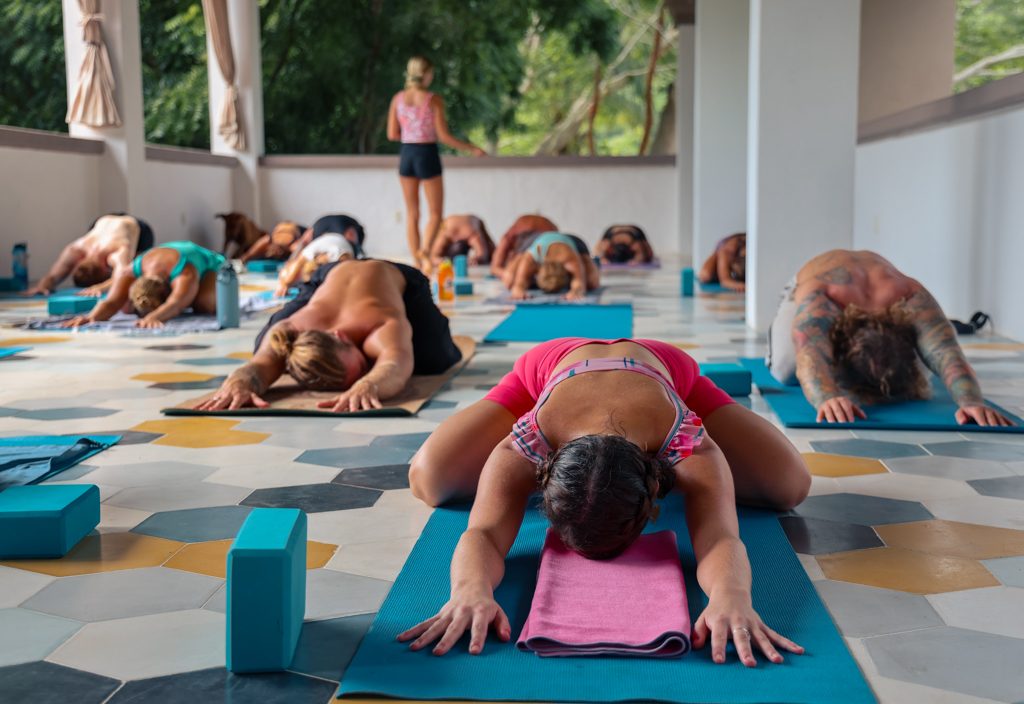
A retreat begins to feel different the moment every guest arrives in the same place: bags set down, phones put away, and no lobby, shuttle schedule, or competing crowds pulling the group in different directions. This Mexico retreat planning guide is for hosts who want that kind of gathering - considered, private, and spacious enough for genuine connection.
Whether you are leading a wellness retreat, bringing together a longtime circle of friends, or gathering a multigenerational family, the best plans leave room for both structure and surprise. The goal is not to fill every hour. It is to create the conditions for your people to settle in, reset their rhythm, and share time that feels unusually real.
Start With the Feeling You Want to Create
Before comparing bedrooms, menus, or transfer times, name the emotional center of the retreat. Perhaps it is restoration after a demanding season. Perhaps it is movement, reflection, and a renewed sense of purpose. Perhaps it is simply a long-awaited chance for people who love one another to be together without a packed agenda.
That intention will guide the practical decisions. A business leadership gathering may need shaded places for candid conversation and enough privacy for difficult ideas to surface. A yoga retreat needs a dedicated practice space, quiet mornings, and a rhythm that supports rest as much as effort. A family celebration might call for long communal dinners, flexible sleeping arrangements, and room for children and grandparents to move at their own pace.
Choose three words that describe how guests should feel by the final morning. Grounded, reconnected, energized. Celebrated, cared for, unhurried. Use those words as a filter for every choice that follows. If an activity, vendor, or itinerary block does not support them, it may not belong.
Choose a Venue Built for One Group
A retreat can lose its intimacy when participants are split among hotel rooms, off-site rentals, and public common areas. A full-property buyout solves more than a logistics problem. It gives the group a shared home for the duration of the experience.
Look beyond a polished room count. Ask whether the property offers distinct spaces for gathering, resting, movement, and private conversation. Consider how guests will flow from morning coffee to practice, from an afternoon swim to dinner under the stars. The setting should make togetherness easy without requiring everyone to be together all the time.
For a private group of 20 to 25 overnight guests, ten bedrooms across separate residences can offer the right balance: a communal heart, plus quieter corners for rest. For a larger celebration layered into the retreat, confirm that the venue can host an event without disrupting the overnight experience. It matters when vows, milestone dinners, or a welcome gathering will bring in additional guests.
At Rancho Poco a Poco, a one-acre private estate in the Sayulita valley brings three residences - The Hacienda, The Villa, and The Casona - into one shared sanctuary. A single group has sole access to the grounds, staff, and gathering spaces, with accommodations for 25+ overnight guests and capacity for celebrations of more than 250 people. It is not a resort, not a hotel, something better: a place that belongs entirely to your group for a few meaningful days.
Ask the Questions That Affect the Experience
A beautiful setting is only the beginning. Before committing, clarify the minimum stay, room configurations, and what is included in the buyout. Find out whether the staff can support meals, wellness programming, transportation coordination, and special events. Ask about sound considerations, weather contingencies, accessibility needs, and how far the property feels from the energy of town.
There is a trade-off worth naming. Total seclusion can be restorative, but some groups also want easy access to local dining, markets, surf, and cultural experiences. The right location offers a sense of retreat while keeping the wider destination within reach when the group wants to venture out.
Build an Itinerary With Breathing Room
The strongest retreats have a clear arc, not a calendar crammed with attractions. Give guests a gentle landing on arrival day, build toward the retreat's central experience, then allow the final day to soften rather than rush toward departure.
For most three- or four-night retreats, one anchor experience per day is enough. Morning yoga in an open-air studio, a guided temazcal ceremony, a restorative massage, or a local adventure can each carry real emotional weight. Trying to stack all of them into a single day tends to turn wellbeing into another form of work.
Leave the margins visible. Schedule enough time for people to linger over breakfast, float in the pool, journal beneath the palms, or take an unplanned nap. Those unprogrammed hours are often where friendships deepen and the retreat's intention becomes personal.
A simple rhythm might begin with a welcome dinner and an early night. The first full day can hold a morning practice, an afternoon of free time, and a communal meal. The next day might make space for a more immersive ritual or excursion, followed by a celebratory dinner. On the final morning, offer a closing circle or quiet breakfast before departures begin.
Honor the Local Setting
Retreat guests do not need to be over-scheduled to feel connected to Mexico. Thoughtful details carry more meaning than a checklist of tourist stops. Serve food that reflects the region, invite practitioners with deep local knowledge, and make room for guests to explore Sayulita with curiosity and respect.
When selecting experiences, prioritize those that feel rooted rather than performative. A temazcal, for example, should be led with care for its cultural and spiritual context. Local guides, chefs, bodyworkers, and craftspeople can bring a depth to the gathering that cannot be replicated by generic programming.
Plan the Guest Journey, Not Just the Schedule
Your guests will remember how the retreat felt before they remember the exact order of events. Begin communication early with a beautifully clear invitation: dates, arrival guidance, what is included, expected weather, a suggested packing list, and a note about the atmosphere you are creating.
If your group includes people with different comfort levels, say so. Some may be eager for ice baths and sunrise movement; others may prefer a slow coffee and a massage. Make participation invitational wherever possible. A retreat becomes more welcoming when guests can choose their own degree of challenge.
Food deserves similar consideration. Gather dietary needs well in advance, but do not let dietary logistics flatten the table into something joyless. Shared meals are part of the retreat's architecture. They create a natural pause between experiences and give people a reason to stay a little longer after dessert.
For facilitators, protect your own capacity too. Assign a point person for arrivals, vendor timing, and guest questions so you are not managing details during the moments when you are meant to be present with the group. If the venue provides a dedicated team, establish roles before arrival and agree on the communication rhythm during the stay.
Budget for What Guests Will Actually Feel
The least expensive option is not always the most economical when guests must coordinate separate lodging, transportation, meals, and activities. A private estate buyout can concentrate those decisions in one place while giving the host greater control over the experience.
Build the budget around the priorities that shape memory: the setting, thoughtful food, capable support, and one or two exceptional shared experiences. Reduce spend on favors, excessive decor, or activities that exist only to fill time. For milestone gatherings, it is often wiser to extend the stay by one night than to add another elaborate event.
Be candid about how costs will be handled. If participants are paying their own way, communicate the full expected investment rather than only the lodging rate. If you are hosting, determine early whether you will cover extras such as massages, transfers, alcohol, or optional excursions. Clarity is one of the most generous things a host can offer.
A Mexico Retreat Planning Guide for Meaningful Time
The right retreat does not need to impress guests every minute. It needs to make them feel held: by the setting, by the pace, and by the care behind each decision. Privacy changes the texture of a group gathering. Conversations run longer. Morning rituals become easier. Dinner becomes an occasion rather than a reservation.
Choose a place with enough room for your vision, then resist the urge to overproduce it. Leave a little space around the plan. That is where a group stops behaving like attendees and starts feeling like a temporary community - one that carries the warmth of those shared days home with them.