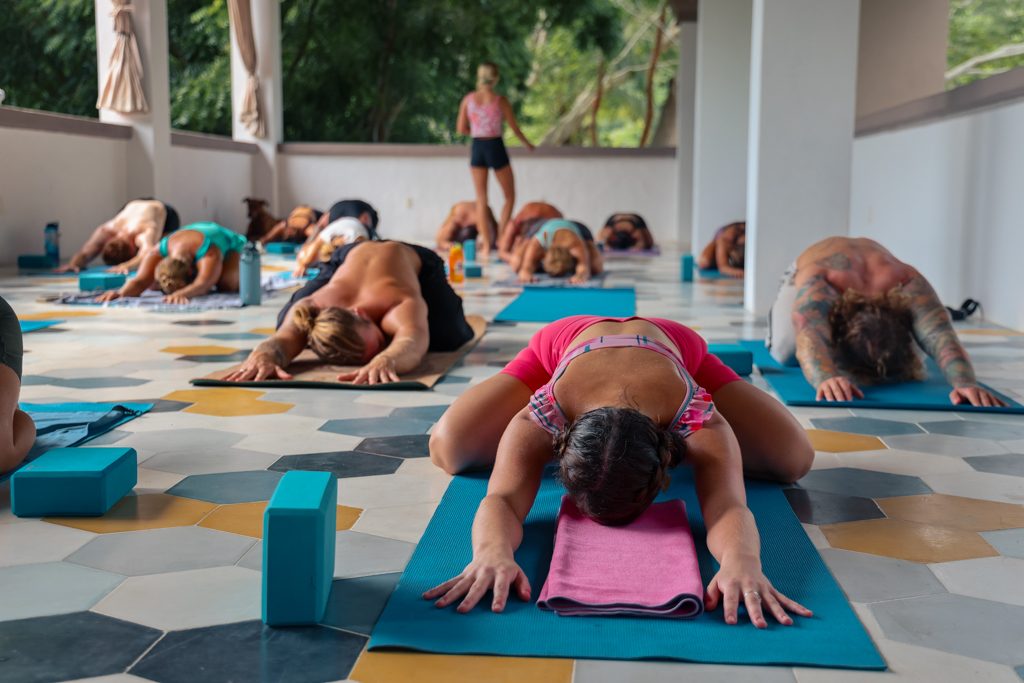
A wellness retreat should not begin with a packed itinerary. It should begin with a feeling: morning air moving through an open studio, a table set beneath the palms, and enough quiet for guests to hear themselves think. To organize a Sayulita wellness retreat that delivers that feeling, start by protecting space - in the schedule, in the setting, and between each planned moment.
Sayulita brings color, creativity, excellent food, and a magnetic energy. Yet the strongest retreats often happen just beyond the center of town, where a private jungle estate gives the group room to settle into its own rhythm. The goal is not to fill every hour. It is to create the conditions for restoration, connection, and a little transformation that stays with guests after they return home.
Begin With the Retreat's True Purpose
Before choosing treatments, teachers, or menus, decide what your group is coming together to do. A yoga teacher may be gathering a loyal community for practice and renewal. A founder may want a more intimate off-site for a leadership team. A group of friends might be marking a milestone with movement, nourishing meals, and unhurried time together.
That purpose should guide every decision. A retreat centered on stress relief benefits from spacious mornings, bodywork, and fewer transitions. A performance-minded group may want structured training, cold exposure, recovery sessions, and protein-forward meals. A creative retreat may need long communal tables, afternoon free time, and environments that invite conversation without forcing it.
When the purpose is clear, guests understand what they are saying yes to. Your invitation can be specific about the experience: who it is for, what the days will feel like, and what they may carry home. That clarity also makes it easier to avoid a common planning mistake - trying to serve every possible version of wellness at once.
Choose Privacy Over a Busy Resort Schedule
A hotel can be convenient, but it can also scatter the retreat experience. Guests leave their rooms for a public breakfast, reserve shared treatment spaces, and navigate other travelers between sessions. For a facilitator, that means spending valuable attention on logistics rather than the people in front of them.
A full-property buyout changes the atmosphere. Meals, practices, conversations, and rest all unfold within one private setting. Guests do not need to coordinate rides across town or compete for a quiet corner after meditation. They can move from a sunrise practice to breakfast, from a massage to a poolside read, without ever leaving the container you have created.
At Rancho Poco a Poco, one acre of private grounds includes three distinct residences - The Hacienda, The Villa, and The Casona - with 10 bedrooms and accommodations for 25 or more overnight guests. That configuration matters for retreat design. The group remains together, while couples, close friends, and guests who need more solitude can still have a sense of their own space.
For larger retreat dinners, opening ceremonies, or a closing celebration, a private estate can also support a much wider guest count than the overnight group. The trade-off is that exclusive properties typically require a multi-night commitment. A three- to four-night minimum is not a limitation for most well-designed retreats. It is often the time needed for guests to arrive, exhale, and genuinely shift gears.
Build a Rhythm, Not a Marathon
A memorable retreat has shape. Guests should know where to be, but they should not feel managed from dawn until bedtime. Plan one anchor experience for the morning and one for late afternoon or evening, then let the middle of the day breathe.
A simple daily rhythm might begin with yoga, breathwork, or guided movement in an open-air studio. Breakfast follows while the group is still together, making it an easy time for light conversation and informal connection. Midday can remain open for massages, pool time, journaling, reading, naps, or a small number of optional excursions.
Later, bring people back together for a workshop, a recovery practice, a temazcal ceremony, or a shared dinner under the stars. This pacing creates a useful balance: guests have access to the group, but they also have permission to step back. That permission is especially valuable for introverts, parents, people in demanding careers, and anyone who arrived already overstimulated.
Be selective with early starts. One sunrise session can feel special. Four in a row may leave guests tired rather than restored. Likewise, reserve emotionally intense experiences for when there is enough time to process them. A temazcal can be powerful, but it should not be squeezed between lunch and a shuttle departure.
Pair Practices With the Setting
The best wellness programming feels native to the place rather than copied from a studio calendar. Sayulita's jungle valley invites experiences that connect the body to the natural surroundings: open-air yoga, guided breathwork, sound, movement, and quiet walks through the grounds.
For groups drawn to physical recovery and resilience, an XPT saltwater training pool and ice baths can add a focused edge to the itinerary. These experiences work best with skilled guidance and clear options. Cold exposure is not for every guest, and no one should feel that opting out means missing the retreat. Offer it as an invitation, not a test.
Massage therapy is often one of the highest-value additions because it gives each guest a private hour of care within a communal experience. If your group is larger, schedule treatments across multiple days and ask guests for preferences before arrival. That small amount of pre-planning prevents the familiar retreat scramble for the most desirable appointment times.
Food deserves the same thought. A beautiful shared meal can be as restorative as a formal workshop, especially when it feels generous, relaxed, and rooted in the region. Collect dietary needs early, but do not let the menu become overly cautious or impersonal. The aim is food that supports the program while still giving guests something to remember.
Plan the Group Details Before Guests Arrive
A private retreat feels effortless to guests when the organizer has handled the practical details well ahead of time. Start with room assignments. Consider relationships, sleep preferences, mobility needs, and whether some guests will need more privacy than others. It is much easier to make thoughtful placements before arrival than to solve disappointment on the first night.
Then communicate a clear packing list and a gentle expectation of the retreat pace. Let guests know whether practices are beginner-friendly, whether they should bring layers for early mornings, and what footwear works best for the property. If there are activities with physical intensity or heat, explain them plainly and invite guests to share relevant health considerations privately.
Transportation also shapes the arrival experience. Coordinate group arrivals where possible, especially if attendees are unfamiliar with the region. Once everyone reaches the estate, reduce unnecessary movement. Sayulita's restaurants, surf, and markets can be part of the experience, but too many off-property plans can fracture the intimacy that guests came for.
Leave Room for the Unexpected
The most generous thing you can put on a retreat itinerary is white space. Someone may want an extra hour in a hammock. A conversation at breakfast may become the moment that matters most. Rain may turn an outdoor plan into a long, candlelit lunch and make the retreat better than the original schedule.
Build your core program with care, then hold it lightly. Confirm the essentials - accommodations, meals, facilitators, treatments, and arrival flow - while leaving room for the human moments that cannot be produced on a timeline. When guests feel they have been welcomed into a sanctuary that is entirely theirs, they stop performing wellness and begin to experience it.