A memorable group trip is not built by filling every hour. It begins when you design a luxury group itinerary around the feeling you want guests to carry home: closer, rested, celebrated, and genuinely present with one another. For a wedding weekend, a milestone birthday, or a restorative retreat, the most generous plan leaves room for both ritual and spontaneity.
The setting matters as much as the schedule. A private estate in the Sayulita valley gives your group a place to gather without the rhythm of a crowded hotel or the constant decisions of a public venue. Mornings can begin quietly beneath the trees. Long lunches can stretch into the afternoon. Dinner can arrive under the stars, with no need to move the group somewhere else just as the energy begins to settle.
Start With the Purpose, Not the Activity List
Before choosing a temazcal ceremony, surf outing, tasting menu, or yoga class, name the reason everyone is coming together. A wedding calls for anticipation, ceremony, and time for families to connect. A wellness retreat needs a deliberate balance of movement, nourishment, reflection, and rest. A multigenerational gathering may center on ease, with enough choice for different ages and temperaments.
This purpose becomes your filter. If an activity does not deepen the reason for the trip, it may be unnecessary. A full itinerary can look impressive on paper while leaving guests exhausted, late, or disconnected from the place they traveled to experience.
Choose one or two anchor moments for each day, then allow the rest of the day to breathe. That might mean a morning practice followed by an open afternoon, or a guided adventure followed by massages, pool time, and an unhurried dinner at the estate. The luxury is not simply access. It is having the freedom to move at your group’s own pace.
Design a Luxury Group Itinerary Around Arrival
Arrival day deserves more attention than it usually receives. Guests may be traveling from different cities, navigating customs, or arriving with children, formalwear, retreat supplies, or wedding-weekend nerves. Planning a major event immediately after check-in asks too much of everyone.
Keep the first evening low-pressure and welcoming. Offer a relaxed shared meal, chilled drinks, soft lighting, and enough structure that no one has to ask what happens next. This is the moment to introduce the rhythm of the stay, share a simple printed schedule, and let guests settle into their rooms and the grounds.
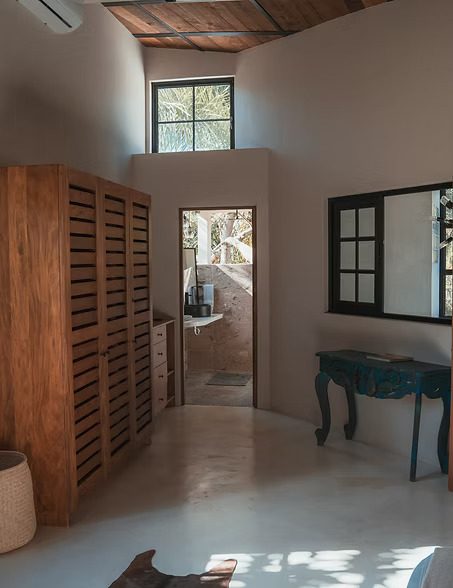
At a private buyout, arrival can feel less like checking into accommodations and more like arriving at a home prepared for your people. At Rancho Poco a Poco, three distinct residences - The Hacienda, The Villa, and The Casona - allow groups to stay together while preserving pockets of privacy. With 10 bedrooms for 25+ overnight guests across a one-acre estate, there is space for reconnection without requiring everyone to be together every minute.
For a three- or four-night stay, treat the first night as a threshold. Do not try to make it the highlight. Let the destination do its quiet work.
Create a Rhythm of Togetherness and Choice
The strongest itineraries alternate between communal moments and personal time. Too much group programming can make even a beautiful setting feel managed. Too little coordination can leave guests unsure of where to be, who they are meeting, or how to make the most of the stay.
A useful rhythm might begin with a shared breakfast or morning movement session, followed by free time. The late afternoon can bring everyone back together for a ceremony, a guided ritual, a cocktail hour, or a sunset gathering. Dinner becomes the daily center point - not merely a meal, but a place to tell stories, welcome new connections, and linger without checking a reservation time.
For wellness-focused groups, the contrast between activation and restoration is especially valuable. An open-air yoga practice can be followed by an ice bath session, massage therapy, quiet reading, or time by the saltwater training pool. A temazcal ceremony may be profound for some guests and not right for others, so offer it as an intentional choice rather than an obligation.
The same principle applies to local adventures. Some guests may want to explore Sayulita’s markets, dining, and surf culture. Others may prefer to remain on the grounds, taking in the garden, a treatment, or an afternoon with no agenda at all. A considered itinerary gives both kinds of travelers permission to enjoy the trip their way.
Put the Most Meaningful Moment at the Center
Every group stay has a defining moment. For couples, it may be vows beneath the palms followed by dinner under the stars. For a retreat leader, it may be the final circle after several days of shared practice. For a family, it could be one long-table meal where stories move easily between generations.
Place that moment where it has enough room to matter. If it is a wedding ceremony, avoid scheduling a strenuous excursion just beforehand. If it is a celebratory dinner, give guests time to dress slowly and arrive feeling ready. If it is a closing ritual, do not put a departure deadline directly behind it.
This is where private-estate planning differs from a standard event schedule. The property is yours, so the day does not need to bend around other guests, restaurant turnover, or the next group’s setup. Event capacity exceeding 250 people also means an intimate overnight group can welcome a much larger circle for one meaningful celebration, without separating the weekend across multiple locations.
Build In the Details Guests Feel but May Not See
Luxury often lives in the transitions. It is cold water waiting after a warm practice, a shaded place to pause between events, transportation that arrives before anyone has to wonder, and a meal timed for the actual pace of the day rather than an arbitrary reservation.
Consider the practical details early: dietary needs, room assignments, mobility considerations, arrival windows, children’s schedules, weather contingencies, and the energy required to move a group from one experience to the next. These are not glamorous decisions, but they protect the atmosphere you are creating.
Keep communication clear and light. Guests need to know the non-negotiables - ceremony time, departure time, transportation details, and anything that requires preparation. They do not need a minute-by-minute directive for every hour. A simple daily card or message is often enough: what is happening, when it begins, what to wear, and whether they need to bring anything.
If you are planning a wedding or a professionally led retreat, give your hosts, vendors, and key participants a more detailed run-of-show behind the scenes. Guests should experience ease, even when careful coordination is happening nearby.
Know When to Leave Space Empty
The temptation to fill the final morning is real. You want one more brunch, one more excursion, one more group photo, one more meaningful conversation. Sometimes that is right. Often, it is better to let the departure day stay gentle.
A relaxed breakfast, time to pack, and an easy farewell allow the experience to land. Guests who leave rushed tend to remember the rush. Guests who have time for one last coffee, a final walk through the grounds, or an unplanned goodbye leave with the warmth of the gathering still intact.
A well-designed itinerary does not prove how much you can fit into a few days. It gives people a rare thing: time held with care, in a place that feels entirely their own.