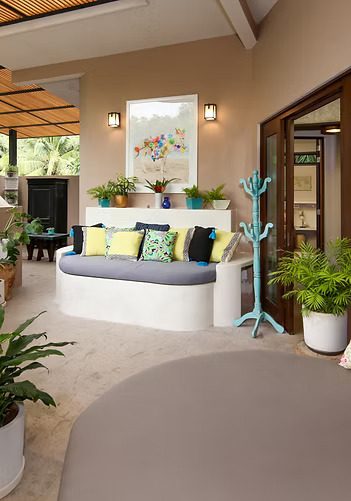
The best celebrations do not feel scheduled from one room to the next. They unfold naturally: a slow morning with coffee beneath the palms, guests gathering in anticipation, a dinner that stretches late into the night. Learning how to plan estate celebrations begins with choosing space that lets the people you love stay close, settle in, and make the weekend their own.
For a wedding, landmark birthday, family reunion, or gathering of friends, a private estate changes the shape of the experience. Rather than asking guests to navigate a hotel lobby, separate room blocks, and public amenities, you create one shared setting for the full story of the celebration.
Begin With the Feeling You Want to Create
Before deciding on a menu, floral palette, or welcome cocktail, consider what you want guests to carry home. Perhaps it is the feeling of a family finally having unhurried time together. Perhaps it is a wedding weekend that feels intimate even with a large guest list. Or perhaps it is a milestone celebration with space for both high energy and quiet restoration.
This intention becomes a useful filter for every choice. If connection is the priority, build in unscripted time between formal moments. If the occasion is centered on renewal, make room for yoga, bodywork, a temazcal ceremony, or a long afternoon by the pool. If you want a dance floor that goes late, balance it with a relaxed next-day brunch and an unplanned afternoon for recovery.
An estate celebration has a particular advantage: the setting can support different moods without sending guests elsewhere. A single property can hold a lively welcome night, a reflective morning practice, a formal ceremony, and an easy barefoot breakfast the next day. The goal is not to fill every hour. It is to give the weekend a rhythm.
Choose an Estate Built for Your Guest Count
Capacity is more nuanced than a single number. Ask two separate questions: how many people need to sleep on-site, and how many will attend the main celebration? The right estate should make both groups feel considered.
For an overnight group, look beyond bedroom count alone. Consider how rooms are distributed, whether there are spaces for couples and families, and whether the property has enough shared areas for guests to be together without feeling crowded. For a celebration day, ask where the ceremony, cocktail hour, dinner, dancing, and weather backup would each take place.
At Rancho Poco a Poco, a full buyout brings one acre, three distinct residences, and 10 bedrooms together for 25 or more overnight guests, while the grounds can host celebrations of more than 250 people. That distinction matters for couples who want their closest people waking up together while still welcoming a larger circle for vows and dinner under the stars.
Privacy is equally practical. A private estate means your pool, gathering areas, staff attention, and event spaces belong to your group alone. There is no competing conference nearby, no strangers drifting through a milestone dinner, and no need to negotiate your energy around a resort schedule.
Plan the Weekend, Not Just the Main Event
A meaningful estate celebration is rarely defined by its central event alone. The arrival, the morning after, and the in-between conversations are often what guests remember most vividly. Multi-night stays give those moments room to happen.
Three or four nights usually create a more relaxed arc than a single-night celebration. Guests have time to arrive and exhale before the main gathering. They can reconnect over a welcome meal rather than rush straight into formalities. And they can linger afterward, when the pressure is gone and the stories begin.
A simple weekend flow might include a casual welcome dinner on the first night, a free morning before the main event, and a farewell breakfast or recovery day afterward. You do not need to program each of these moments heavily. A beautiful setting, thoughtful food, and enough seating can be more valuable than another planned activity.
For destination groups, the extra time also softens travel fatigue. Guests coming from different cities and time zones appreciate a pace that does not demand they arrive fully polished and present the moment they set down their bags.
Leave Space for Different Kinds of Togetherness
Not everyone celebrates in the same way. Some guests will want to join a morning ice bath or a guided movement session. Others will prefer a book by the saltwater pool, a massage, or a quiet conversation in the shade. An estate with distinct zones makes both possible.
This is especially helpful for multigenerational gatherings. Children may need room to play, grandparents may appreciate a quieter place to sit, and friends may want an evening that grows more animated after dinner. The most gracious plans do not force everyone into the same experience at every hour.
Build a Guest Experience From Arrival to Farewell
Great hosting is often felt in the details guests barely notice. Clear arrival instructions, welcome drinks ready at check-in, and room assignments shared ahead of time remove unnecessary friction. For a destination celebration, let guests know what to wear, when meals are planned, and whether they should expect uneven paths, warm afternoons, or cooler evenings.
A welcome note can do more than provide logistics. It can set the tone. Share a short itinerary, but also give guests permission to make the weekend their own. Point out the places intended for gathering and the places meant for quiet. If wellness is part of the experience, explain how guests can participate without making it feel obligatory.
Food deserves the same care. Rather than treating every meal as an event, vary the energy. A family-style meal can encourage conversation on the first night. A more polished dinner can anchor the main celebration. The next morning may call for something simple, generous, and unhurried. Consider dietary needs early, especially for a group staying together over several days.
Design the Celebration Around the Landscape
An estate should not be treated as a blank event box. Let its architecture, gardens, open-air spaces, and natural light guide the plan. Place the ceremony where the surroundings do some of the work. Let cocktails move guests through the property. Choose a dining arrangement that feels connected to the evening rather than dropped into it.
This does not mean every choice must be rustic or informal. Refined design can feel even more striking when it works with the setting: candlelight against textured walls, long tables beneath the canopy, linen moving in the evening air. The most memorable celebrations tend to feel rooted in their location rather than imported from somewhere else.
Think carefully about transitions. Where will guests go after the ceremony? Is there shade before dinner? Will older relatives have easy access to seating? Where will music live so conversation can still happen nearby? These operational questions shape the emotional experience more than many decorative decisions.
Have a Weather Plan That Still Feels Beautiful
Outdoor celebrations ask for flexibility, even in a destination known for sunshine. Discuss seasonal conditions, shade, airflow, rain contingencies, and the timing of daylight with your planning team and estate host.
The best backup plan is not an emergency version of the original. It is a second beautiful option. If rain changes the layout, guests should still feel that the evening was designed with intention. If afternoon heat is a concern, shift key moments later or use shaded spaces for the first part of the day.
Work With Partners Who Understand Estate Flow
Private estate celebrations require a different kind of coordination than a ballroom event. Your vendors need to understand load-in timing, power needs, sound considerations, staffing, transportation, and how each part of the property will be used across several days.
Keep the planning team focused on guest flow, not just visual moments. A beautiful ceremony site matters, but so does the path to dinner. An exceptional band matters, but so does where guests can step away for a quieter conversation. It is worth investing in partners who can protect the atmosphere you came to create.
Be honest about priorities and trade-offs. A larger guest count may require a more structured layout. A highly produced reception may limit how much of the property remains available for casual gathering. A wellness-forward weekend may call for fewer late nights. There is no universal right answer, only a plan that is coherent with the kind of celebration you want to host.
The most generous thing you can give guests is not an overfilled itinerary. It is the rare feeling of having nowhere else to be: a sanctuary entirely yours, shared with the people who make the occasion matter.