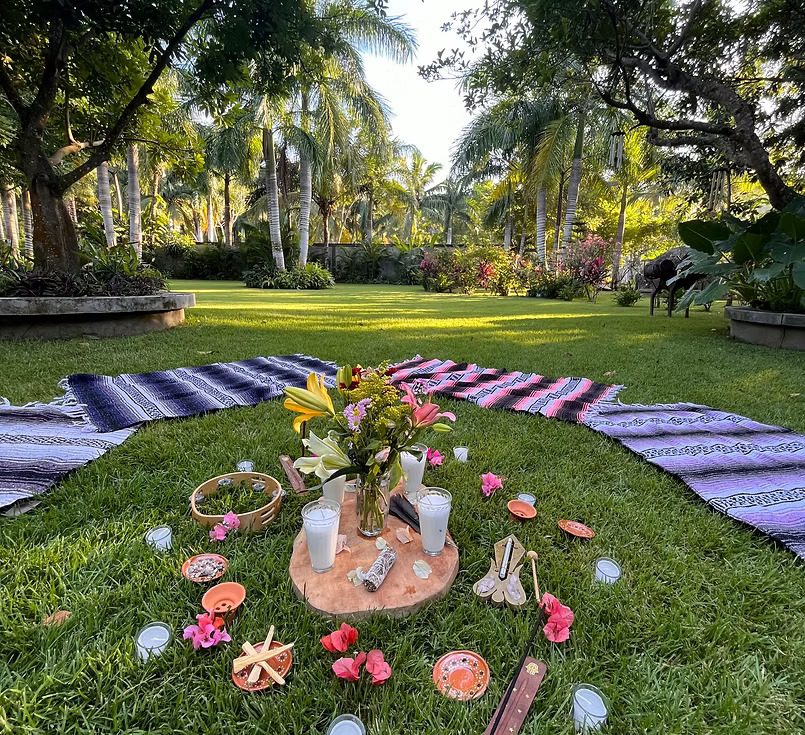
The choice between shared spaces versus private grounds becomes real the moment your group tries to gather for a sunset toast and realizes other guests are already claiming the best table. For a wedding weekend, retreat, reunion, or milestone celebration, the setting does more than hold the itinerary. It shapes who can relax, how naturally conversations unfold, and whether the experience feels like yours.
A shared-property stay can be convenient. A private estate can be transformative. The right choice depends on what your group needs most: independent rooms and an easy booking process, or the freedom to inhabit an entire place together.
What Shared Spaces Ask of Your Group
Hotels, conventional venues, and large rental compounds are designed to welcome many parties at once. That model works well for travelers who need a room near a city center, a short overnight stay, or a schedule with little need for connection beyond dinner reservations.
For a group gathering, though, shared spaces introduce small frictions that add up. The pool has other guests around it. The lawn or terrace may have blackout times. A yoga practice competes with music from another event. Guests drift back to separate buildings after dinner because there is no natural, protected center for everyone to return to.
None of this means a shared setting is inherently wrong. It can be the practical answer for a small group with a fixed budget, guests arriving and departing on different dates, or an event that only requires a few formal hours on-site. But privacy is rarely an add-on in these environments. It is often a limited resource, requested in advance, scheduled by the hour, and shared with the next booking.
That distinction matters when the gathering itself is the reason for the trip.
The hidden cost of a fragmented weekend
When guests sleep in one location, meet in another, and look for quiet elsewhere, a celebration starts to feel logistical. Hosts spend more time giving directions, coordinating transportation, and checking whether everyone has made it to the next plan.
For couples, that can mean less time with the people who traveled farthest to be there. For retreat leaders, it can interrupt the container they have worked to create. For families, it can turn a rare chance to reconnect into a series of reservations and handoffs.
Shared grounds also require a certain amount of self-consciousness. Is the late-night laughter too loud? Can the children play freely? Will a private conversation remain private? Can a facilitator lead breathwork at sunrise without worrying about onlookers? These questions may sound minor, but they influence how open people feel.
Why Private Grounds Change the Experience
Private grounds give a group something increasingly difficult to find: a place that belongs fully to them for a meaningful stretch of time. Not just private bedrooms, but private mornings, private meals, private movement, and space for the unplanned moments that cannot be placed on a run sheet.
At a full-buyout estate, the rhythm is yours. Coffee can linger into a slow breakfast. A wedding party can gather by the pool before hair and makeup begins. A family can let dinner stretch beneath the stars without checking the time or making room for strangers. The group is not borrowing atmosphere. It is creating its own.
This is especially powerful for multi-night stays. The first day is often about arrival: bags dropped, shoulders lowered, people finding their rooms and one another. By the second day, the setting begins to feel familiar. By the final morning, guests are often moving through the grounds with the ease of a shared home.
That sense of belonging is difficult to manufacture at a venue used by multiple parties. It comes from continuity, privacy, and having enough room for both togetherness and solitude.
Privacy does not mean isolation
A private estate should never feel like a sealed-off compound. The appeal is not to be removed from place, culture, or adventure. It is to return from them to a setting that restores rather than disperses the group.
In the Sayulita valley, that can mean a morning surf outing or a visit to town followed by an afternoon in the saltwater training pool. It can mean a temazcal ceremony, a massage, an ice bath, or an open-air yoga practice without the distraction of public foot traffic. The estate becomes the calm center of the experience, while the surrounding region remains close at hand.
For hosts, this creates a better balance. There is room to offer a full program, but no pressure to fill every hour. Guests can join a group excursion, settle into a hammock, read quietly, or simply take a long conversation somewhere beautiful.
Shared Spaces Versus Private Grounds for Weddings
A wedding is one of the clearest examples of why the setting matters. The ceremony may last 20 minutes, but the wedding weekend is made of everything around it: the welcome drink, the shared breakfast, the rehearsal dinner, the deep breath before the vows, the final poolside coffee with family.
On shared grounds, those moments are often divided across different locations. Even when a venue offers privacy for the ceremony and reception, the rest of the celebration may be shaped around other guests, separate hotels, transportation schedules, and venue access windows.
Private grounds bring the weekend into one story. Your closest people can stay together, prepare together, and celebrate without leaving the feeling of home behind. There is a natural intimacy in seeing your guests at breakfast after a night of dancing, or gathering the wedding party for a quiet moment before vows beneath the palms.
There are practical advantages, too. A single property can simplify guest movement, reduce the need for constant transportation, and create an easier flow between getting ready, ceremony, cocktail hour, dinner, and late-night celebration. Still, estate privacy is not a substitute for thoughtful planning. Larger guest counts require experienced coordination around catering, rentals, sound, parking, and the shape of the event itself.
The best private estates are built to hold both scales: the closeness of an overnight group and the energy of a larger celebration.
The Retreat Case for Having the Whole Place
For a wellness retreat, privacy is not simply a luxury. It is part of the practice.
Participants arrive with different levels of comfort, energy, and openness. A space where they can move freely between a yoga studio, pool, treatment, meal, and rest allows the group to settle more deeply. They are not performing wellness in front of hotel guests. They are given room to reset their rhythm.
A retreat leader benefits as well. The environment supports a consistent tone from the first welcome circle to the final integration session. Meals can become part of the program. Quiet can remain quiet. A temazcal or ice bath experience can feel held and intentional rather than squeezed between unrelated activities.
This does not mean every retreat needs total exclusivity. A solo practitioner hosting a small, low-key workshop may prefer a boutique hotel with individual bookings. But for a facilitator creating a premium, immersive experience, full control of the setting offers a different level of care.
What to Look for Beyond Privacy
Not all private rentals are equally suited to groups. A house may be exclusive but still lack the infrastructure for a wedding, retreat, or multigenerational stay. Before choosing a property, look closely at how the space actually works when everyone is there.
Ask whether the bedrooms are arranged in a way that gives couples, families, and friends appropriate privacy while preserving a communal center. Consider whether there are distinct residences or gathering areas, not just one large living room. Confirm the overnight capacity separately from event capacity, because those are two very different numbers.
Pay attention to on-property experiences as well. A beautiful view is meaningful, but dedicated spaces for yoga, wellness treatments, swimming, meals, and celebration make the stay more fluid. Finally, understand the minimum stay. A three- or four-night buyout often gives a group enough time to arrive, connect, celebrate, and leave without rushing through the reason they came.
Rancho Poco a Poco was created around this kind of gathering: a one-acre private estate with three distinct residences, 10 bedrooms, accommodations for 25+ overnight guests, and room for celebrations of more than 250 people. The value is not only in having the grounds to yourselves. It is in having the space to be together without asking anyone else for permission.
Choose the Setting That Protects the Moment
A shared space can give you a place to stay. Private grounds can give your group a shared world, however briefly.
If your gathering is centered on a single dinner, a short ceremony, or a practical overnight stop, a conventional property may be all you need. But if you are bringing people together for vows, healing, celebration, or the rare gift of uninterrupted time, choose a place where the schedule can soften and the people matter more than the logistics.
The most lasting memories are often not the planned highlights. They are the barefoot conversations after dinner, the early swim before anyone else wakes, and the moment a whole group realizes there is nowhere else it needs to be.