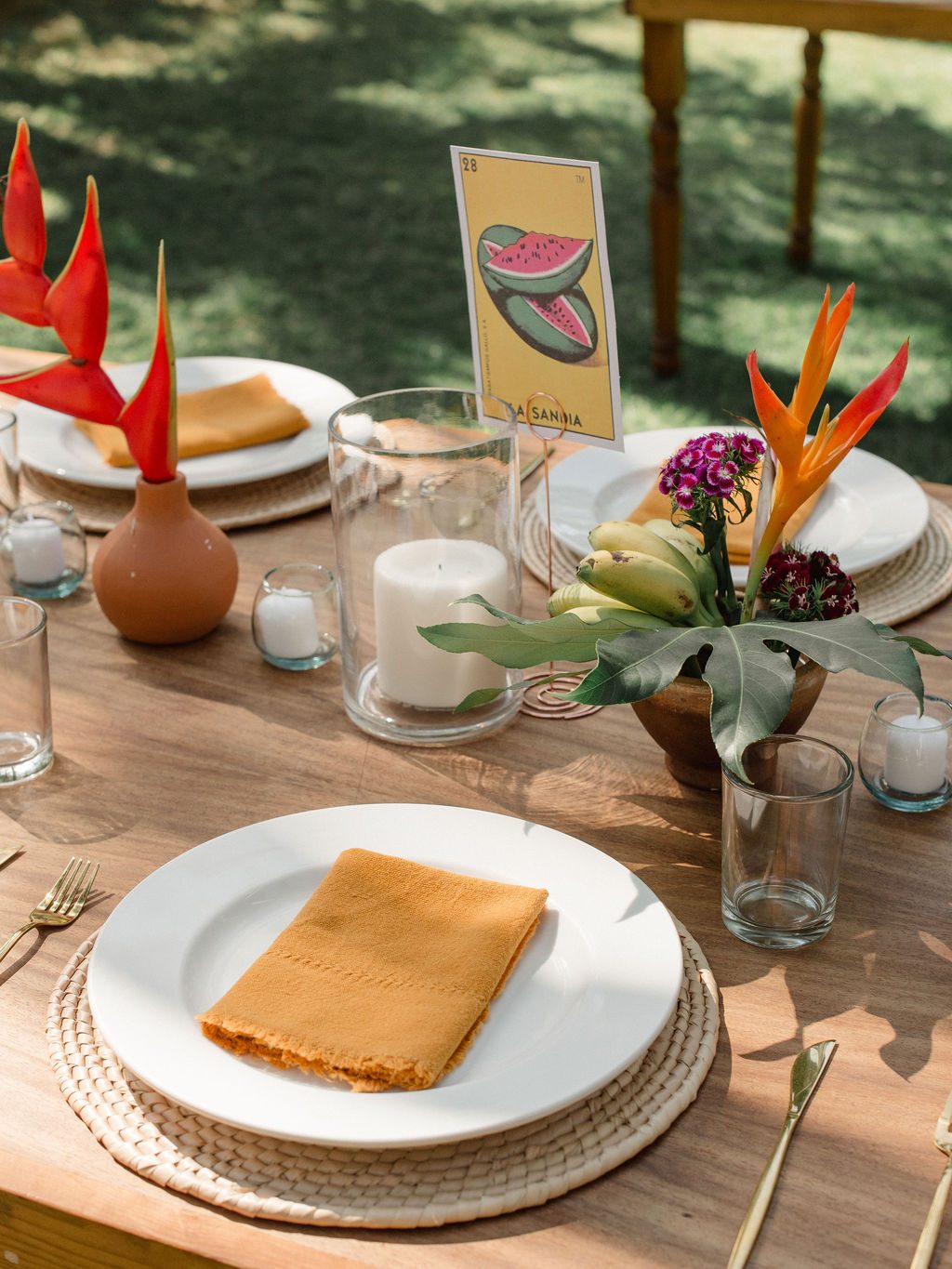
A wedding day feels different when no one has to leave the place they woke up to find the celebration. A compound wedding layout lets your closest people settle into a shared estate, move naturally between intimate moments and larger gatherings, and stay inside the atmosphere you came to create.
Rather than treating accommodations and the event as separate problems, a compound brings them together. There is room for slow coffee before hair and makeup, a private first look away from the crowd, vows beneath the palms, dinner under the stars, and a final toast without a shuttle schedule waiting at the gate.
What a Compound Wedding Layout Makes Possible
A compound is more than a large house. It is a collection of distinct spaces that belong to one group, with enough separation to give each moment its own character. For a destination wedding, that distinction matters.
The getting-ready energy can live in one residence, where wedding parties have room to spread out without seeing the ceremony being built. Another space can hold family members who value a quieter morning. Shared paths, courtyards, pools, and gathering areas bring everyone together when it is time, but no one has to be "on" from breakfast through the after-party.
This is especially meaningful for couples hosting people from different parts of their lives. Parents, lifelong friends, siblings, children, and a wedding party may all want proximity, but not necessarily identical rhythms. A well-considered compound offers connection without requiring constant closeness.
At Rancho Poco a Poco, three distinct residences - The Hacienda, The Villa, and The Casona - sit within one private acre in the Sayulita valley. Together, they offer 10 bedrooms for 25+ overnight guests while allowing a larger celebration to unfold across the grounds. Your sanctuary is entirely yours, not a hotel shared with strangers or a resort operating around someone else's itinerary.
The Wedding Day Has Room to Breathe
The most memorable destination weddings rarely feel overprogrammed. They have a sense of ease: people know where to go, there is time for an unplanned conversation, and the setting does some of the work.
A compound layout supports that ease because the day does not need to be compressed into a few rented hours. If your stay spans three or four nights, the wedding is not the only time everyone is together. Welcome drinks can be relaxed rather than rushed. A rehearsal dinner can feel like a genuine gathering. The morning after can become part of the story instead of an immediate checkout line.
That extended rhythm changes the pressure on the ceremony itself. You do not need to force every photo, speech, and reunion into one evening. Guests have already shared poolside afternoons, long breakfasts, temazcal rituals, and the kind of conversations that only happen when no one is watching the clock.
Separate Spaces Create Better Energy
Privacy is not a luxury add-on on a wedding weekend. It is what gives people room to arrive as themselves.
One part of the estate can be alive with music, stylists, and celebratory nerves. Elsewhere, grandparents can take a quiet moment in the shade, children can reset between activities, or a couple can step away before the ceremony. These small pockets of calm make a full event feel more gracious for everyone.
They also make practical planning cleaner. Vendors can work in designated areas while guests remain comfortable. A band soundcheck, catering setup, or ceremony styling does not have to take over the bedrooms and common spaces where your inner circle is spending the day.
Designing the Flow of a Compound Wedding
The best layout begins with a simple question: how do you want guests to feel at each stage of the weekend?
For many couples, the answer starts with arrival. Instead of checking in at separate properties and gathering later, overnight guests enter one private setting together. They can recognize the faces they will share the weekend with, find their room, and begin to relax into the landscape.
From there, think in chapters rather than rooms. The welcome gathering should encourage mingling. The ceremony should feel focused and emotionally distinct. Dinner needs enough intimacy for conversation, even at a larger guest count. The late-night celebration should have permission to become lively without disrupting those who have turned in.
A compound naturally gives those chapters definition. The architecture and grounds become gentle cues for movement, which feels far more elegant than repeatedly directing guests across a generic event lawn.
Start With Your Overnight Circle
Your overnight guests set the tone. They are the people who will see you in the quiet hours, share the first coffee of the day, and remain when the formal event has ended. Give this group the deepest access to the estate experience.
A 10-bedroom property works beautifully for a wedding party, immediate family, or a blend of both. It will not be the right choice if every guest expects to sleep on-site, and that is worth addressing early. For a celebration of more than 25 overnight guests, reserve the estate for your core circle and help other attendees choose nearby accommodations.
That arrangement has a real advantage: the estate stays personal. The couple and their closest people retain a private home base, while the celebration itself can welcome a much larger guest list. With capacity for events exceeding 250 people, there is room for a generous gathering without turning the entire weekend into a crowd scene.
Protect the Moments Between Events
A compelling wedding layout does not only account for the ceremony and reception. It protects the in-between moments people remember later.
Set aside a place for a private breakfast after the wedding. Create a shaded gathering point for guests returning from an excursion. Consider whether wellness experiences, such as yoga, massage, ice baths, or a temazcal ceremony, belong before the wedding as a way to settle into the weekend or afterward as a collective exhale.
Not every group will want a packed itinerary. Some will prefer long, unscheduled afternoons by the saltwater training pool. Others will build their entire stay around movement, local adventures, and restorative rituals. The right plan depends on your people, but the principle stays the same: leave enough open space for the property to do what a ballroom cannot.
Why Privacy Changes the Celebration
A conventional venue asks you to make your celebration fit its operations. There may be other events nearby, designated hours for every phase, public-facing areas, and staff attention divided among multiple groups. That model can work well for a single evening. It is less compelling when the goal is a full destination wedding experience.
A private compound changes the relationship. The grounds, shared amenities, and dedicated staff are there for one group. You can linger over dinner. You can choose whether the morning begins with stillness or movement. You can let the night unfold without feeling as though your celebration is being managed around the needs of other guests.
This level of privacy also affects the emotional texture of photographs and memories. People relax when they are not navigating public spaces. They laugh more freely, dress more comfortably, and stay present longer. The result is not perfection in a staged sense. It is a weekend that feels unmistakably like yours.
A Layout That Serves the Marriage, Too
There is a temptation to judge a wedding venue by the biggest moment it can produce. A dramatic ceremony setting matters, of course. But a compound wedding layout is valuable because it serves the quieter purpose of gathering your people well.
It gives your family a place to reconnect before the music starts. It gives friends time to become friends with one another. It gives the two of you a private setting to absorb what is happening, rather than rushing from one obligation to the next.
When choosing your wedding setting, ask not only where you want to say your vows, but where you want everyone to wake up afterward. The answer often reveals the kind of celebration you are really hoping to create.