A wedding can be beautiful for six hours. The celebrations guests remember, though, tend to begin at the first long dinner and linger through the last slow morning together. The destination wedding trends defining 2027 reflect that shift: couples are planning less like event producers and more like thoughtful hosts, choosing settings that give their favorite people time, privacy, and a genuine sense of place.
For many, that means stepping away from the familiar rhythm of a ballroom ceremony, reception, and quick farewell. It means gathering beneath palms, sharing meals under the stars, and making room for the unplanned conversations that happen when no one has to rush off to another hotel or venue.
Destination Wedding Trends Are Becoming More Personal
The most meaningful trend is not a color palette or a tablescape. It is the move toward weddings that feel unmistakably like the couple. Rather than recreating a social-media image in a new location, couples are choosing destinations with a character of their own, then letting the surroundings shape the weekend.
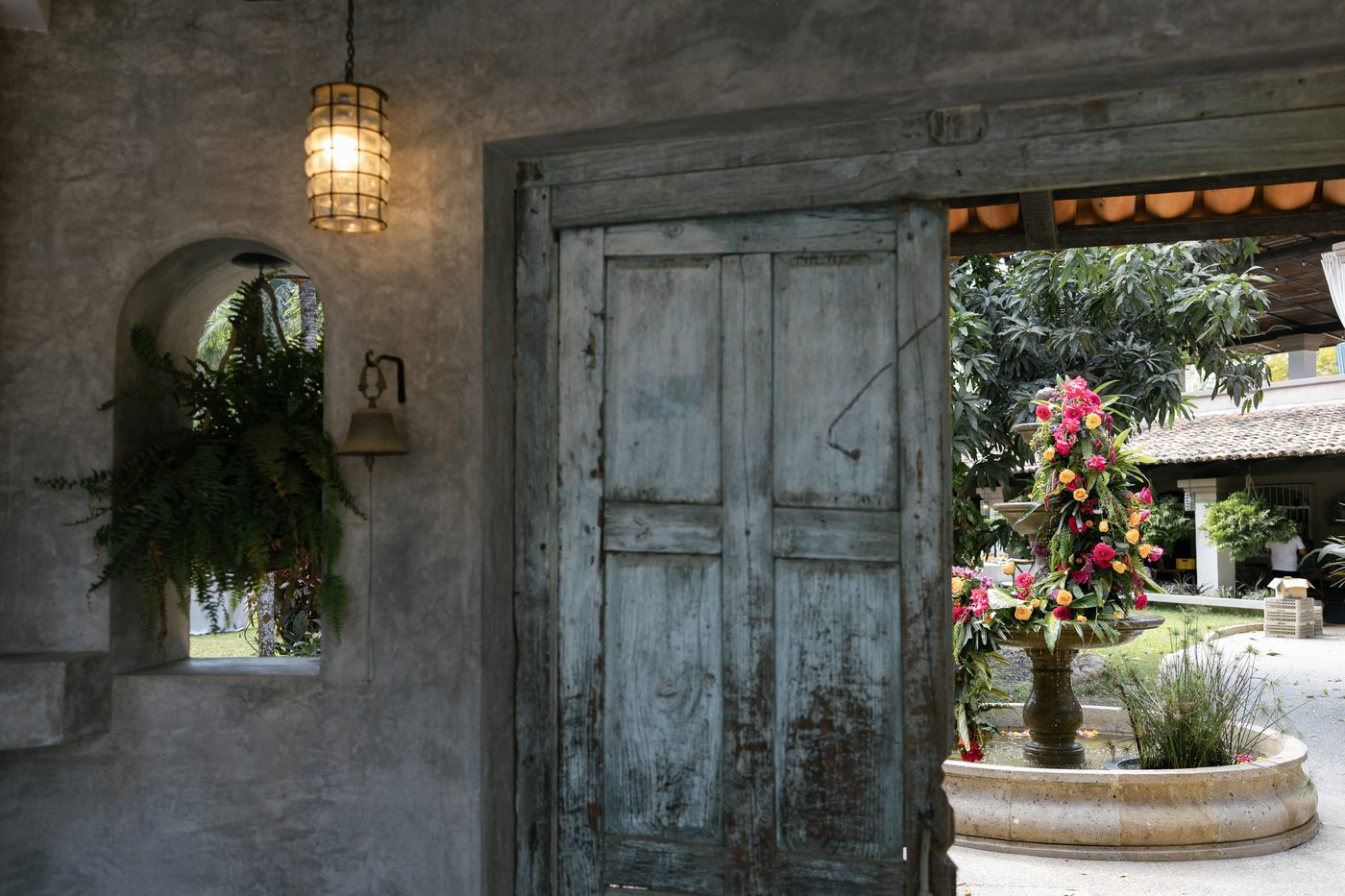
In the Sayulita valley, that might look like vows framed by jungle greenery, a reception that carries naturally from open-air spaces into candlelit dinner, and local flavors that belong to the region rather than a generic banquet menu. The goal is not excess. It is atmosphere with intention.
This approach also changes the planning question. Instead of asking, “What can we add?” couples are asking, “What will make our guests feel cared for?” A welcome gathering with exceptional food, transportation that is thoughtfully coordinated, and enough comfortable space to settle in can matter more than an overfilled itinerary.
The return of the full wedding weekend
The one-day destination wedding is giving way to multi-day celebrations. Guests are traveling farther, often taking time away from work and family, so couples want the experience to feel worthy of the journey. A three- or four-night stay creates room for a welcome dinner, the wedding itself, and a final shared breakfast or recovery day without compressing every meaningful moment into a single schedule.
There is a practical advantage, too. A longer stay makes the wedding day less fragile. If a toast runs long or dinner becomes a dance floor earlier than expected, the group does not lose its only chance to connect. There is still tomorrow.
For couples hosting close family and friends, a private-estate buyout can make this especially easy. Everyone wakes up within the same grounds, returns to the same gathering places, and shares the small in-between moments that rarely happen when guests are scattered across a resort.
Private Estate Weddings Over Resort Packages
Resorts still make sense for some celebrations, particularly very large groups that need hundreds of rooms or couples who want a standardized package. But one of the clearest destination wedding trends is a preference for privacy over scale.
A private estate gives a group control over the pace and feeling of the celebration. There are no neighboring conferences beside the pool, no competing wedding in the next courtyard, and no public guests passing through a ceremony. The property becomes the couple’s home for the weekend, not simply the backdrop for one evening.
That distinction matters most for couples who want an intimate core group on-site while welcoming a larger guest list for the celebration. At Rancho Poco a Poco, for example, a full buyout brings together three residences across one acre, with 10 bedrooms for 25-plus overnight guests and event capacity for more than 250. The people closest to the couple can stay together, while the wedding itself can still feel expansive.
Privacy also supports better design decisions. A couple can hold a quiet morning yoga practice in an open-air studio, transform an outdoor space for dinner, and plan a late-night gathering without having to work around a hotel’s shared calendar. The estate is not just where everyone sleeps. It is the setting for the entire story.
Wellness Is Part of the Celebration, Not an Add-On
Wedding weekends are becoming more restorative. Couples still want music, great cocktails, and a full dance floor. They also want their guests to leave feeling renewed rather than depleted.
That is why wellness-centered experiences are moving from optional extras to central moments. A temazcal ceremony can become a meaningful ritual before the wedding. Massage therapy offers a slower arrival after travel. Ice baths, a saltwater training pool, or a morning stretch session create an alternative to another round of drinks and give different generations something to enjoy together.
Wellness should fit the group, not become a performance. A hard-charging itinerary of breathwork, cold plunges, and sunrise workouts may delight one circle of friends and exhaust another. The most successful programs offer choices: an early practice for those who want it, a relaxed coffee ritual for everyone else, and generous time to do nothing at all.
A calmer wedding day has become a luxury
Couples are also rethinking the hours before the ceremony. Instead of separate hotel suites with crowded schedules and constant vendor traffic, they are looking for places where getting ready can feel private and unhurried. Natural light, quiet corners, outdoor showers, and room for a long lunch can make the preparation feel as memorable as the ceremony.
This is a subtle kind of luxury. It is not about adding more services. It is about protecting the emotional tone of the day.
Guests Want a Real Connection to the Destination
A destination should be more than an attractive climate and an airport code. In 2027, couples are increasingly choosing experiences rooted in the culture, landscape, and makers around them.
That can mean a menu shaped by regional ingredients, florals that complement the natural setting, or a locally informed welcome gift that feels useful rather than promotional. It can also mean leaving open time for guests to explore: a surf lesson, a market visit, a guided hike, or an afternoon in town. The best itineraries do not force every guest into the same activity. They offer a few memorable invitations and let people follow their own rhythm.
This is where location and seclusion can work together. Staying in a quiet jungle setting outside the energy of town gives a group a place to exhale, while nearby restaurants, markets, and adventures keep the weekend connected to the life of the region. Couples do not have to choose between total isolation and a crowded tourist environment.
Design Is Growing More Textural and Less Themed
Formal wedding design is becoming warmer, more tactile, and less dependent on a single visual concept. Couples are favoring linen, handmade ceramics, fruit, layered candlelight, native foliage, and tables that feel generous rather than overly styled. The effect is refined but lived-in.
This does not mean every wedding needs to be rustic. It means materials should make sense in their setting. A jungle estate can hold elegant details beautifully, but it rarely needs to be disguised as a city ballroom. When design works with the architecture and landscape, it feels richer on the day and stronger in photographs years later.
The trade-off is that natural settings require practical planning. Humidity, heat, pathways, lighting, sound, and rain contingencies all deserve early attention. Couples should ask how a venue manages the flow from ceremony to cocktails to dinner, where older relatives can rest comfortably, and how late-night sound is handled. Romance is strongest when logistics have already been considered.
Smaller Guest Lists, Fuller Experiences
Not every destination wedding is becoming smaller, but many are becoming more selective. Couples are inviting the people they truly want to spend several days with, then investing more deeply in their experience. Fewer guests can mean better meals, more thoughtful accommodations, and time for real conversation.
For larger celebrations, the same principle applies: create layers of intimacy. A private dinner for immediate family, a relaxed welcome evening for all guests, and a quiet morning with the wedding party can preserve closeness even when the reception is lively and full.
The lasting trend is simple: guests remember how a wedding made them feel. Choose a place that allows everyone to slow down, gather with ease, and celebrate without competing for space or attention. When the setting is entirely yours, the weekend has room to become more than a wedding. It becomes shared time that keeps its meaning long after the last dinner under the stars.